What is a safari tour?
When people hear the word safari, images of vast golden plains, roaring lions, and breathtaking sunsets usually come to mind. A safari tour isn’t just another vacation—it’s a once-in-a-lifetime experience that connects you to nature in its purest form. Unlike city trips filled with shopping malls or cultural sites, a safari invites you to step into the wild, where the laws of nature rule and every moment feels raw and real.
Why safari tours attract global travelers?
Safari tours are popular among global travelers because they blend adventure, relaxation, and education all in one package. Imagine cruising in an open jeep across the Serengeti, watching wildebeest migrate in thousands, or hearing elephants trumpet nearby while you sip coffee at sunrise. That’s the magic of a safari—it awakens the explorer inside you.
The History of Safari Tours?
Safari means "journey" in Swahili, from which the name originates. Safaris began as hunting expeditions rather than wildlife photography or opulent tents. Rich Europeans and Americans visited Africa in the late 19th and early 20th centuries to shoot large game, such as lions, elephants, and leopards. These hunting excursions came to represent adventure and prestige.
Top Safari Destinations Around the World?
Africa continues to be the best place to go on safari. Africa is the place to go if you've ever wanted to see the "Big Five"—the lion, leopard, elephant, buffalo, and rhino.
Types of Safari Tours?
Classic game drive safaris, Walking safaris, Luxury safaris and Eco-friendly safaris.
Wildlife You Can Encounter on Safari?
The Big Five animals, Rare and endangered species and Birdwatching opportunities.
Introduction to Safari Tours
When people hear the word safari, images of vast golden plains, roaring lions, and breathtaking sunsets usually come to mind. A safari tour isn’t just another vacation—it’s a once-in-a-lifetime experience that connects you to nature in its purest form. Unlike city trips filled with shopping malls or cultural sites, a safari invites you to step into the wild, where the laws of nature rule and every moment feels raw and real.
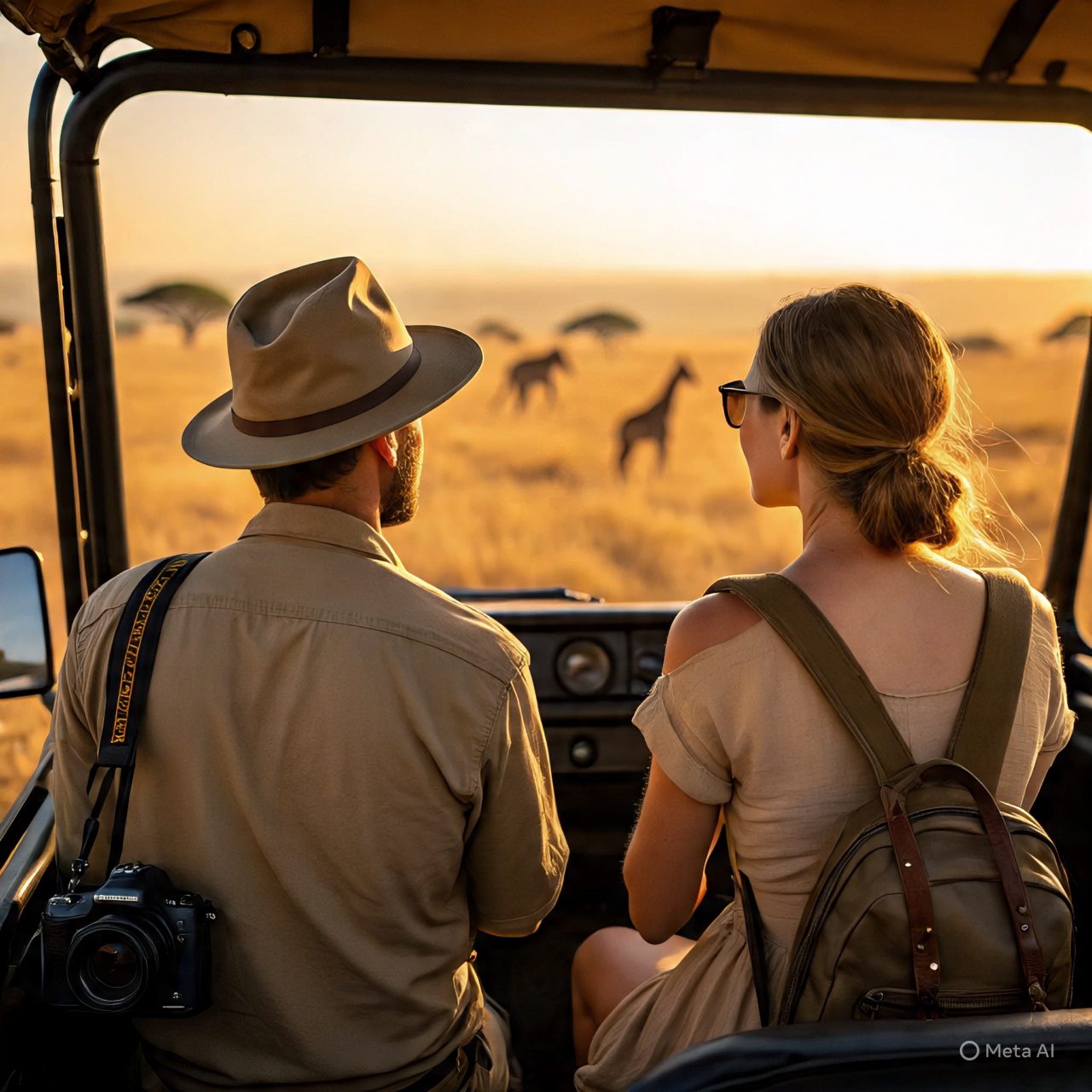
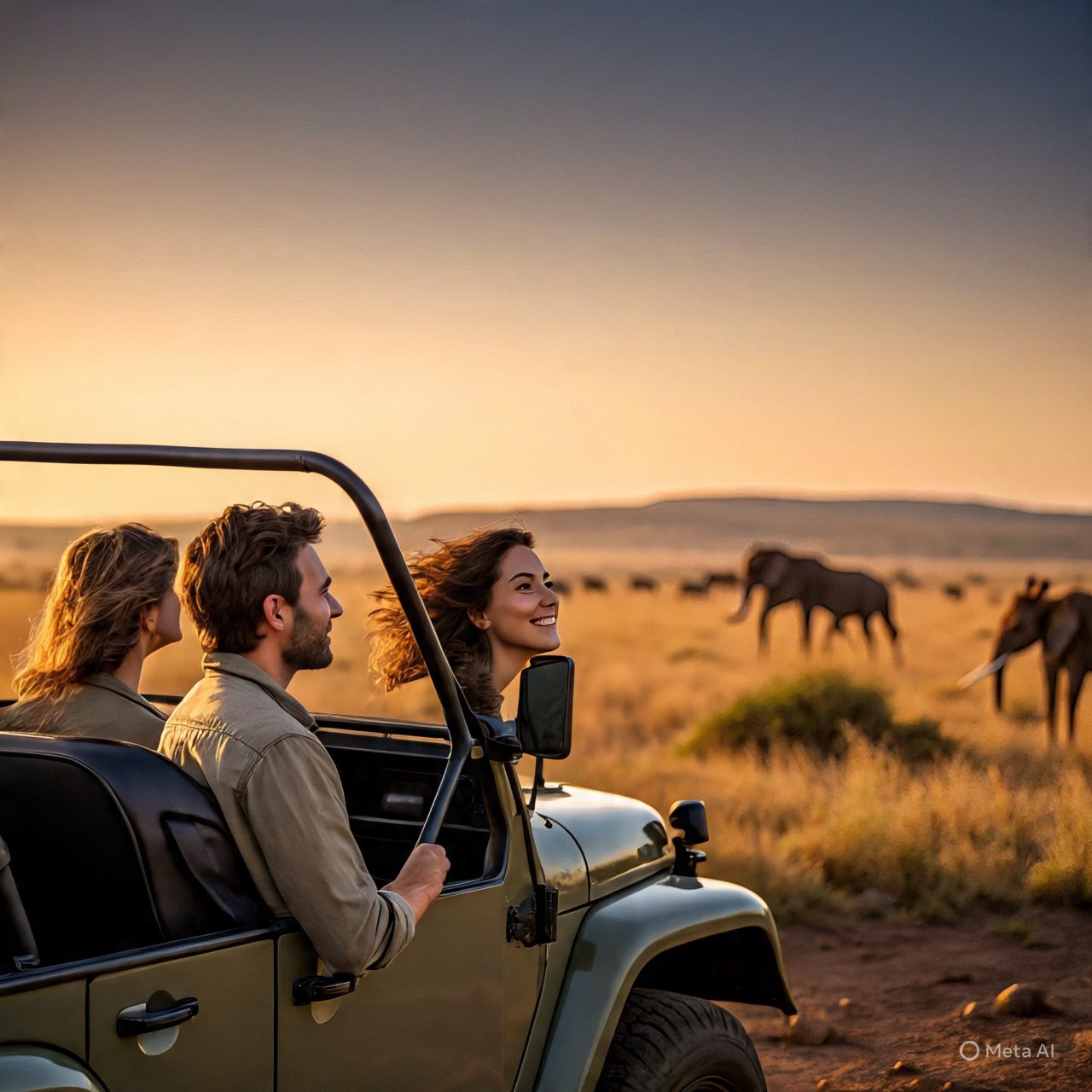
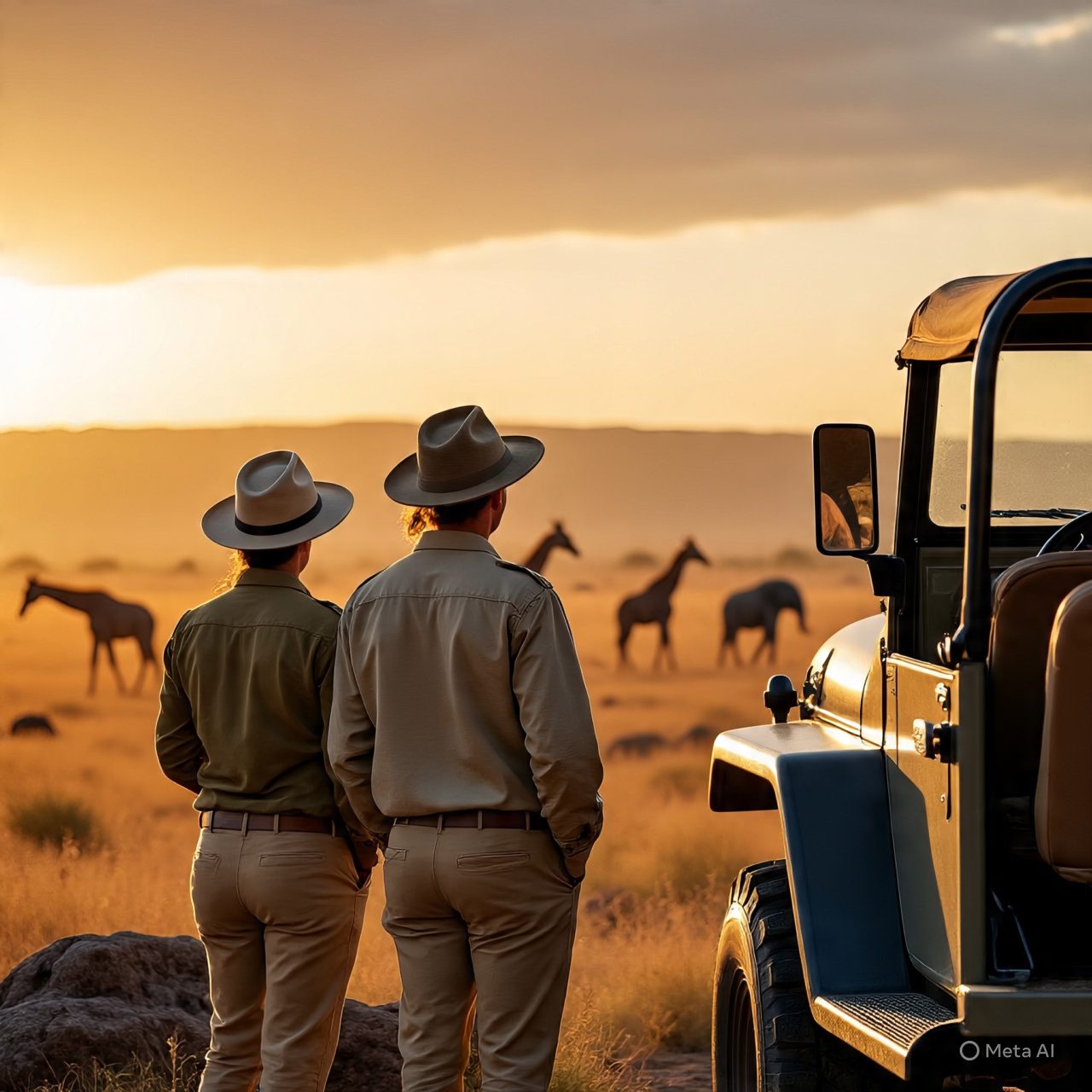
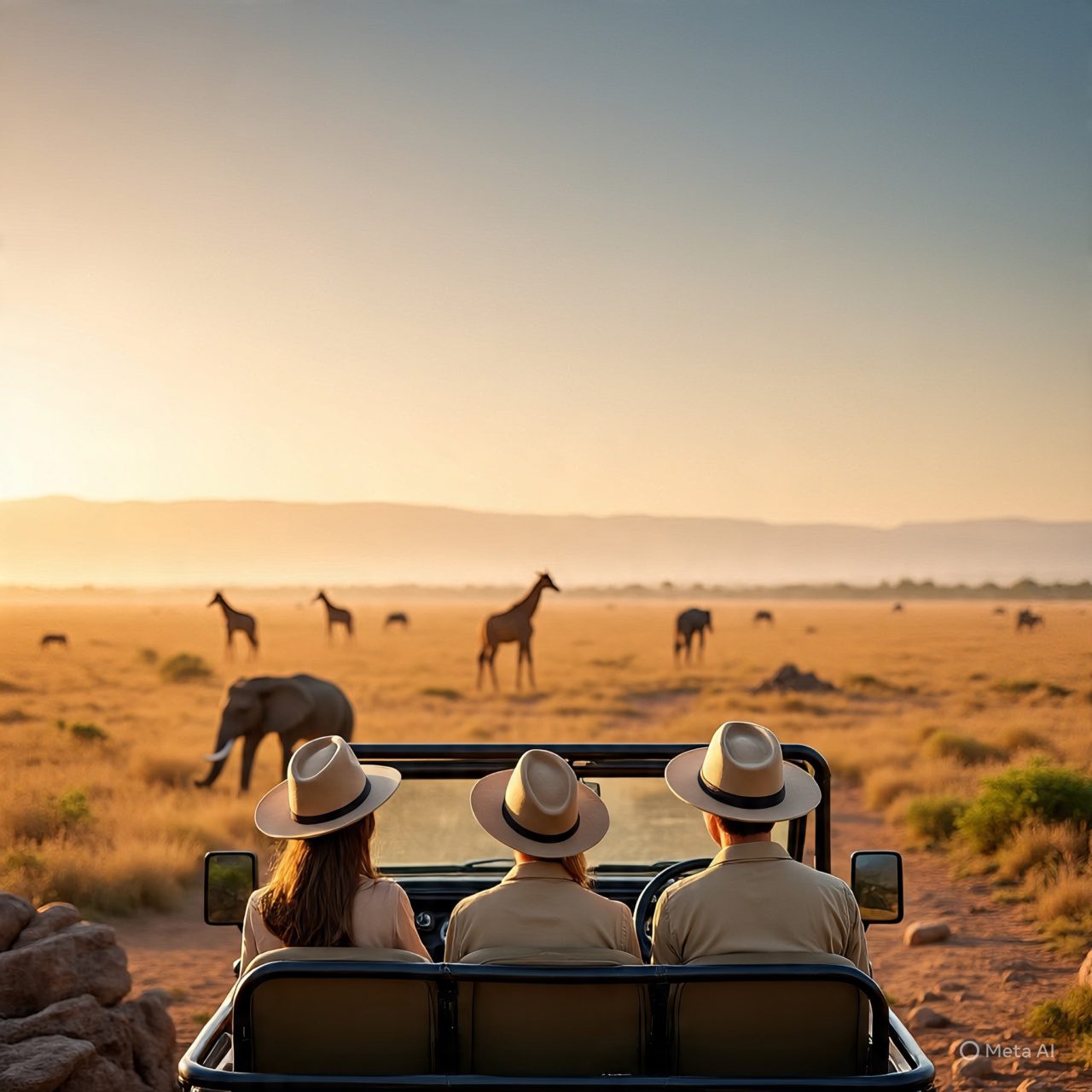
Safari tours are popular among global travelers because they blend adventure, relaxation, and education all in one package. Imagine cruising in an open jeep across the Serengeti, watching wildebeest migrate in thousands, or hearing elephants trumpet nearby while you sip coffee at sunrise. That’s the magic of a safari—it awakens the explorer inside you.
The emotional connection is another factor that makes safaris unique. You realize how insignificant we are in the scheme of things when you see animals running freely in their natural surroundings. When you witness ecosystems cooperating, you begin to appreciate conservation efforts.
Even more. Safari experiences are unforgettable because of this blend of excitement, wonder, and respect.
Safari tourism has increased recently as tourists look for unique experiences rather than formulaic getaways. Nowadays, a lot of individuals would rather explore unspoiled countryside than sit in congested resorts. Safaris cater to a diverse range of tourists, from honeymooners to solo adventurers. Additionally, you may appreciate the environment without sacrificing comfort thanks to the availability of luxurious campers and eco-friendly lodgings.
In short, a safari tour is more than sightseeing—it’s a journey into the heart of nature. It’s a chance to disconnect from screens, rediscover the beauty of the planet, and return home with stories that last a lifetime.
The History of Safari Tours
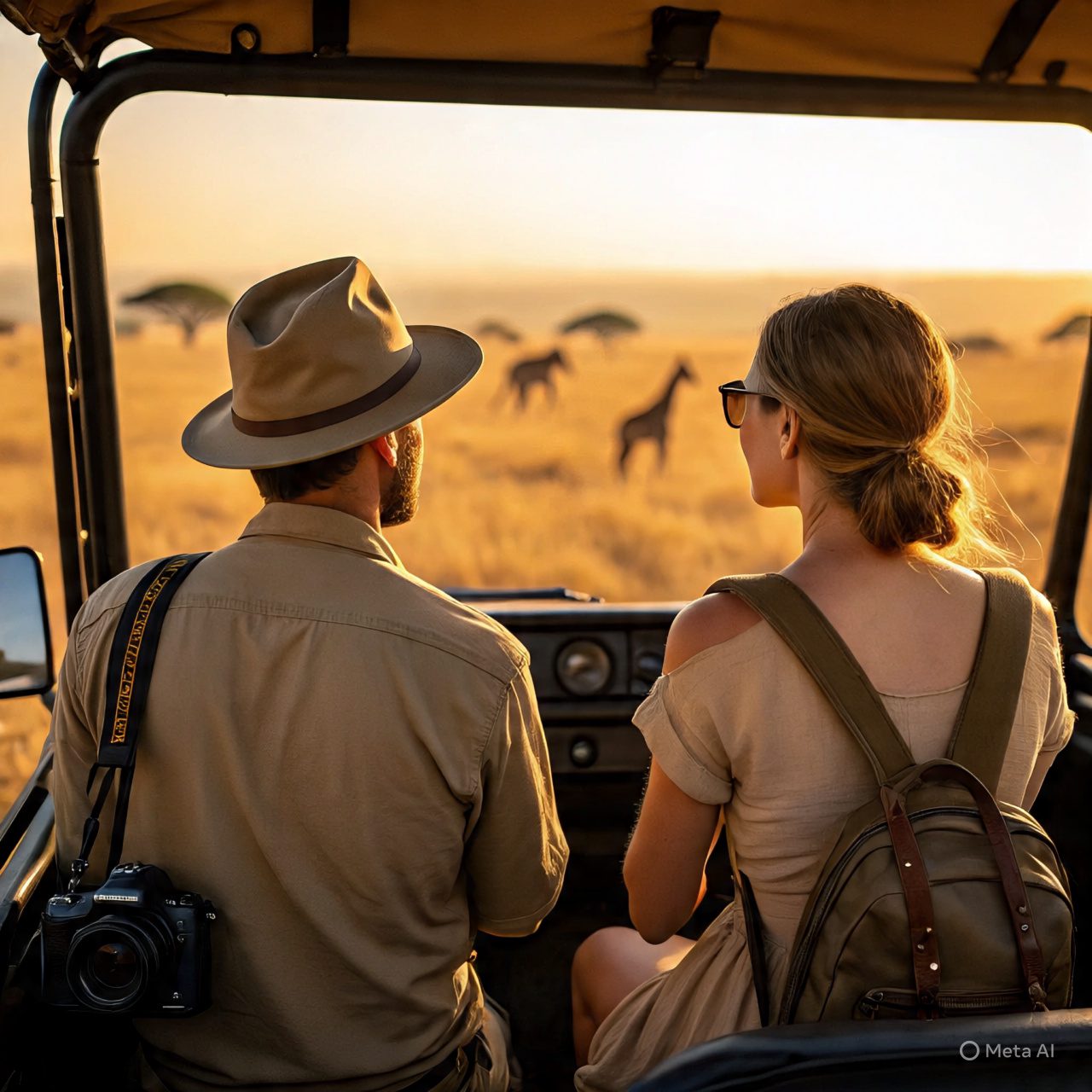

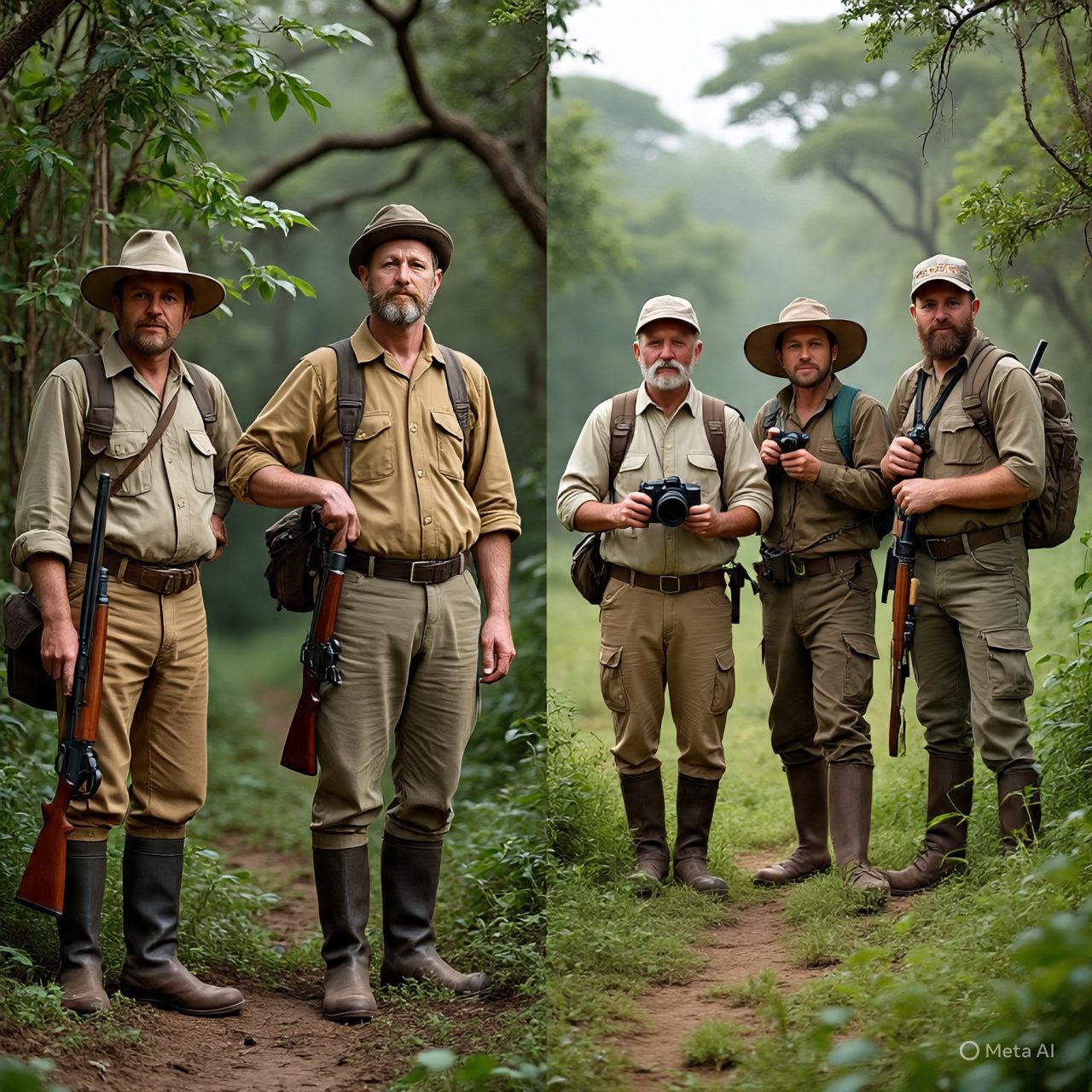
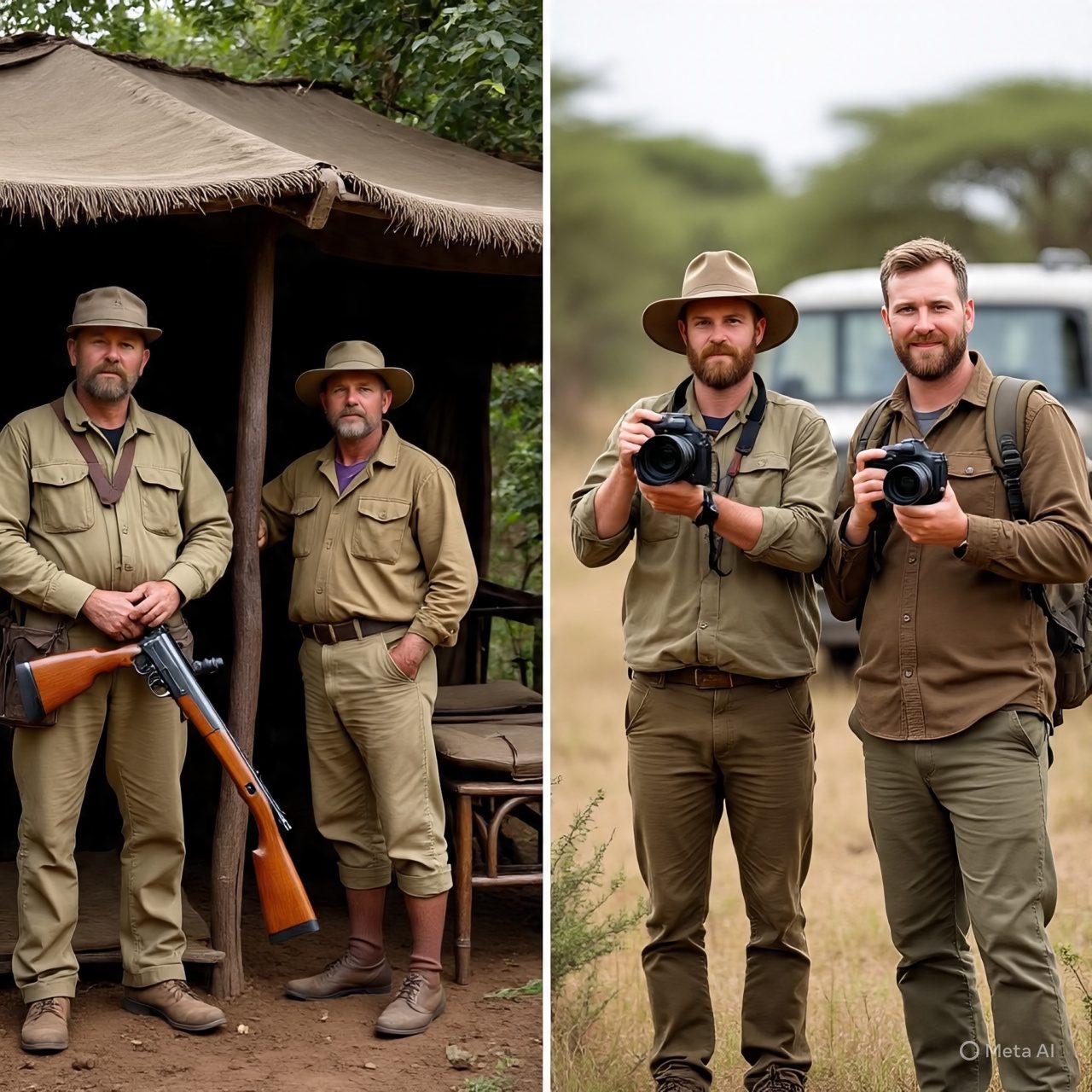
Safari means “journey” in Swahili, from which the name originates. Safaris began as hunting expeditions rather than wildlife photography or opulent tents. Rich Europeans and Americans visited Africa in the late 19th and early 20th centuries to shoot large game, such as lions, elephants, and leopards. These hunting excursions came to represent adventure and prestige.
But eventually, the emphasis changed. Hunting decreased as people became more conscious of the need to conserve wildlife, and safaris changed into picture and tourist excursions. Travelers increasingly carry cameras instead of firearms. They pursue memories and experiences rather than awards. In addition to providing secure areas for tourists, national parks and reserves were created to safeguard endangered animals.
One of the biggest turning points was when famous explorers and conservationists, like Theodore Roosevelt and later David Attenborough, showcased Africa’s biodiversity to the world. Their stories and documentaries inspired millions to see wildlife not as targets but as treasures to protect.
Today, safari tourism is one of the main drivers of conservation funding. The money generated from tours helps maintain national parks, employ local communities, and protect endangered species. This transformation shows how travel can contribute positively when done responsibly.
So, when you embark on a safari tour today, you’re not just following in the footsteps of adventurers from the past—you’re also becoming part of a movement that values preservation over exploitation.
Top Safari Destinations around the World
African Safaris: The Classic Experience
Africa continues to be the best place to go on safari. Africa is the place to go if you’ve ever wanted to see the “Big Five”—the lion, leopard, elephant, buffalo, and rhino.
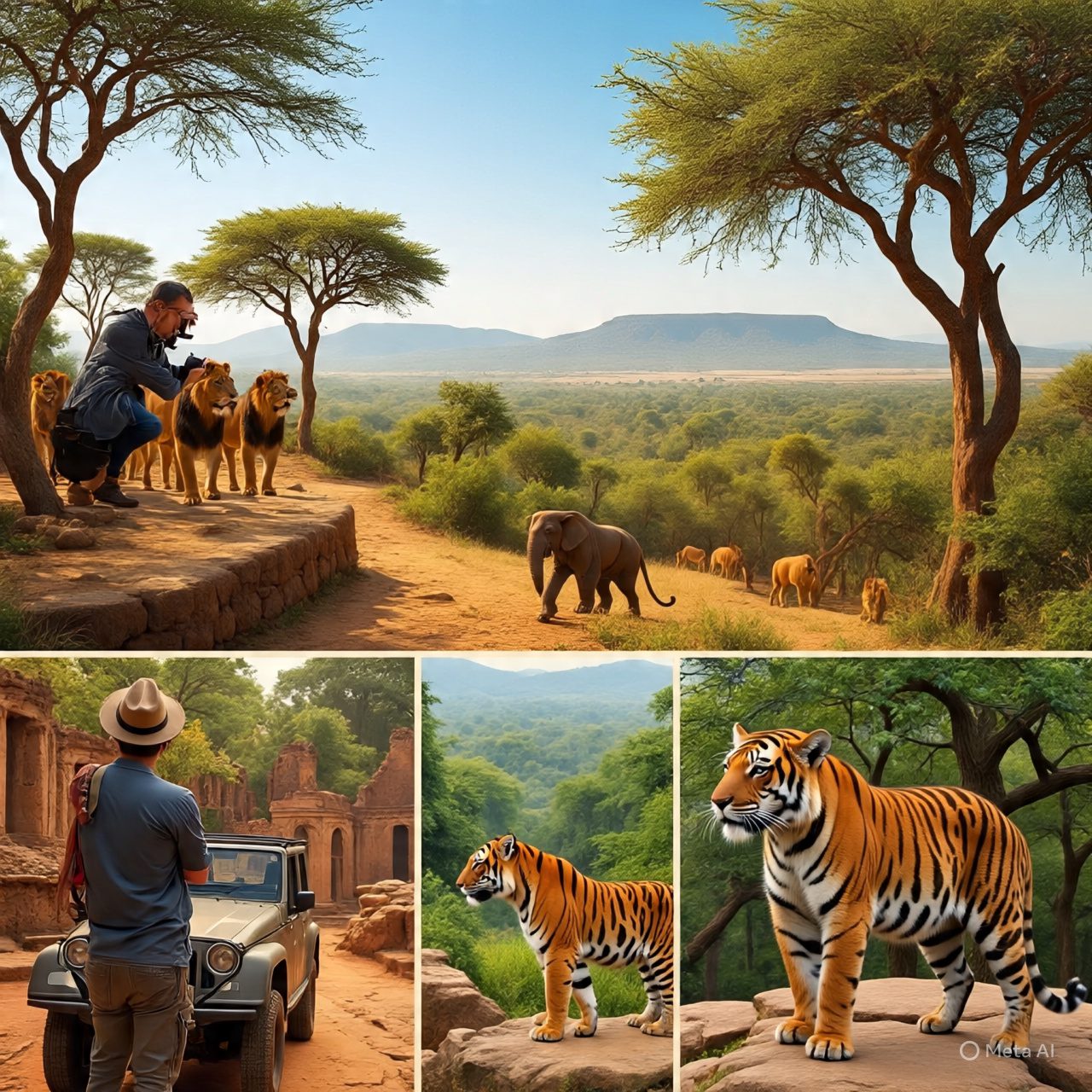
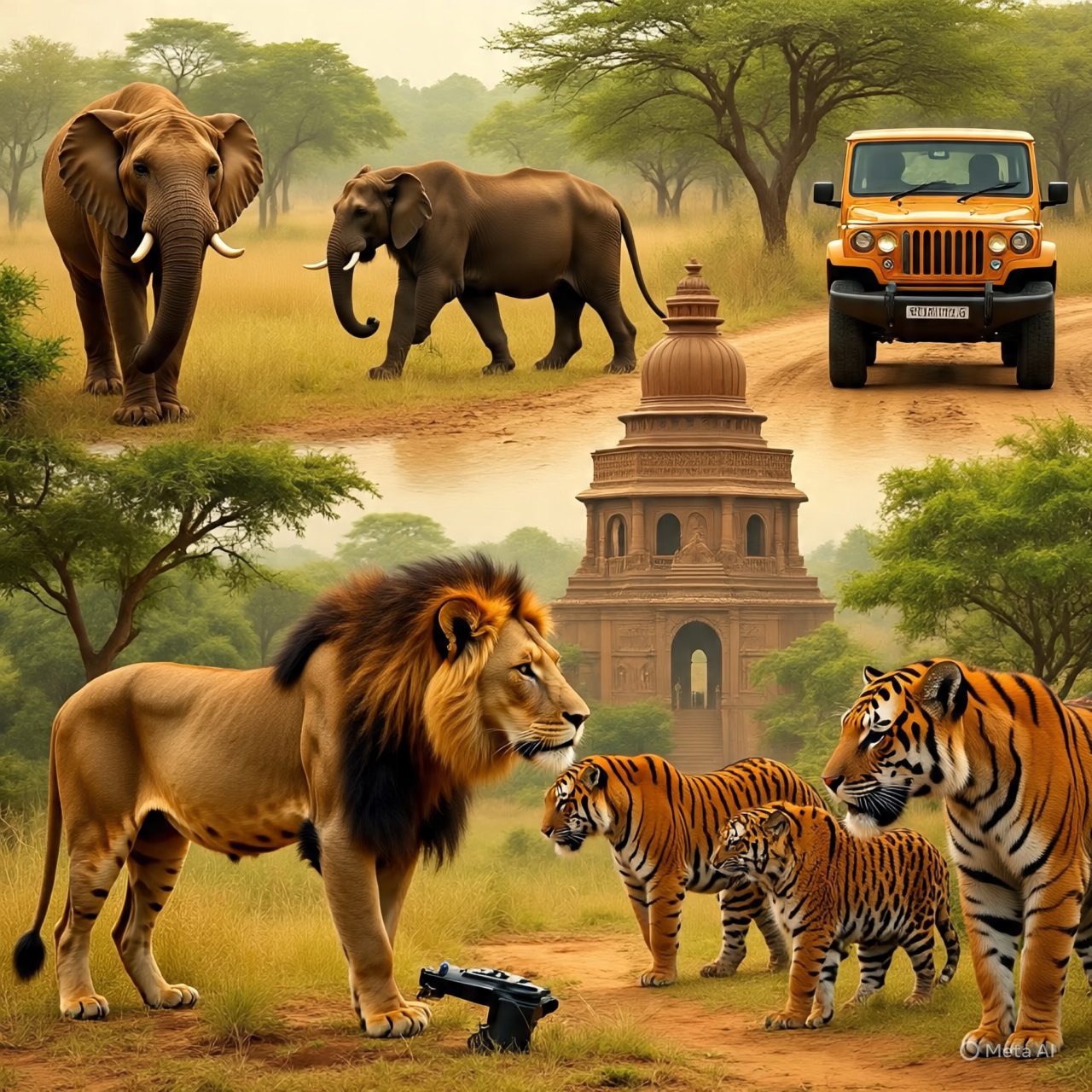
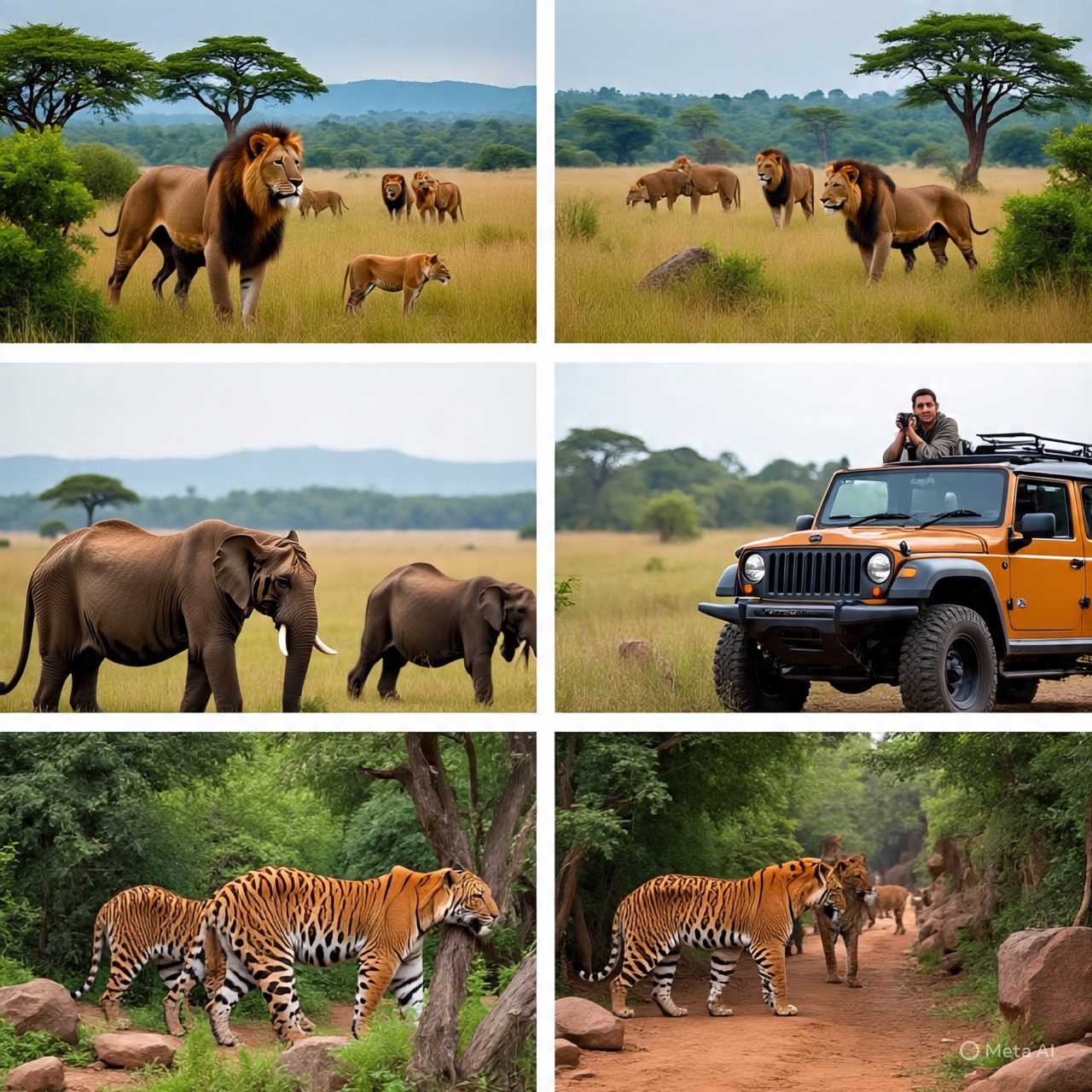
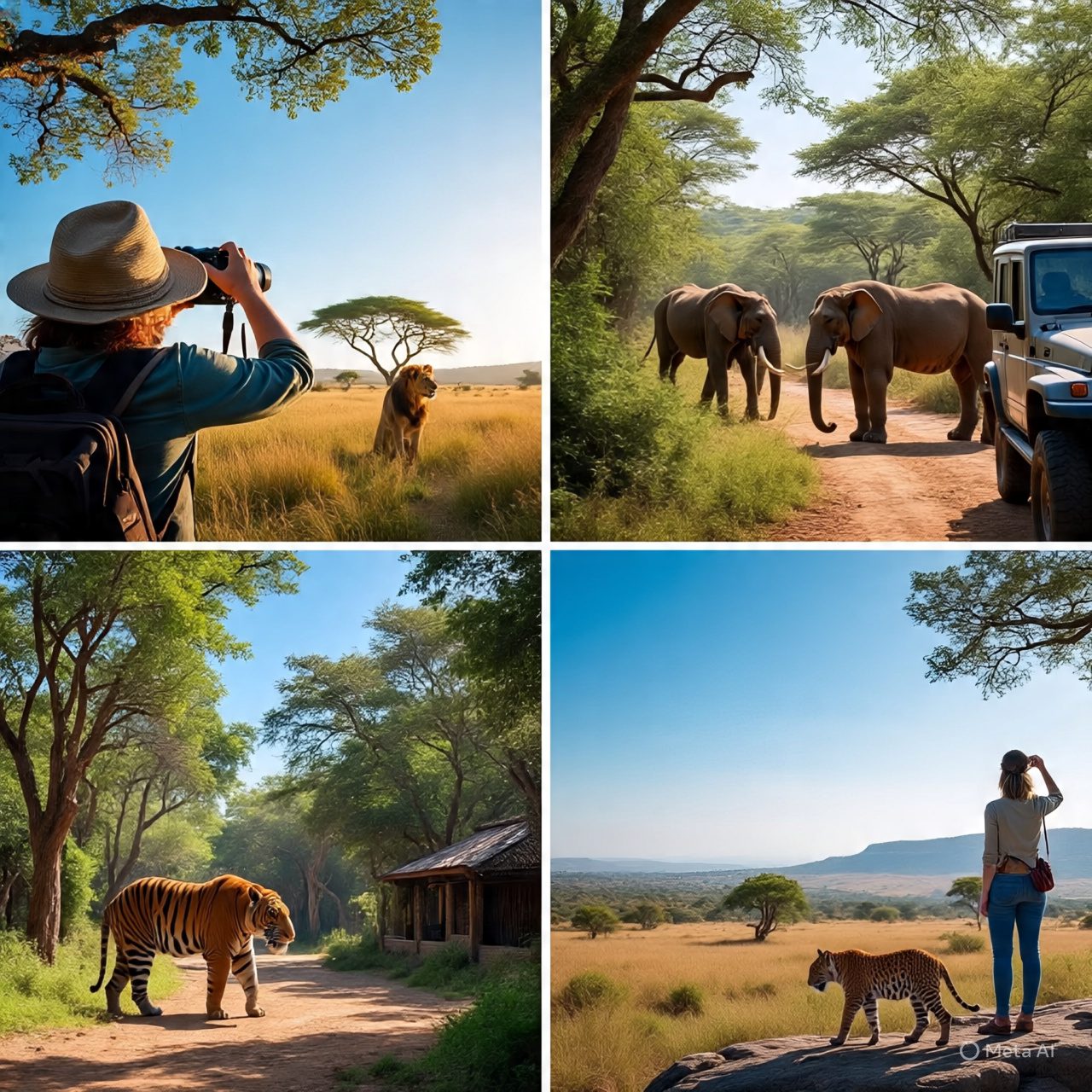
- Kenya: Well-known for the Maasai Mara’s Great Migration, which sees millions of zebras and wildebeest traverse the plains.
- Tanzania: The country that offers year-round animal viewing and is home to Ngoro Ngoro Crater and Serengeti National Park.
- South Africa: is well-known for its Kruger National Park and opulent safari lodges that blend five-star luxury with wildlife.
Unique Safari Destinations Beyond Africa
- Despite Africa being the safari capital, other nations also provide amazing wildlife experiences:
- India: Bengal tigers are famous in Bandhavgarh and Ranthambore National Parks.
- Leopards, elephants, and a variety of unusual birds can be found at Sri Lanka’s Yale National Park.
Australia: You may discover crocodile habitats and Aboriginal culture at Kakadu National Park by taking safari-style trips.
Whether you dream of photographing lions in golden grasslands or spotting tigers hidden in lush jungles, safari destinations cater to every explorer’s bucket list.
Types of Safari Tours
- Game Drive Safaris
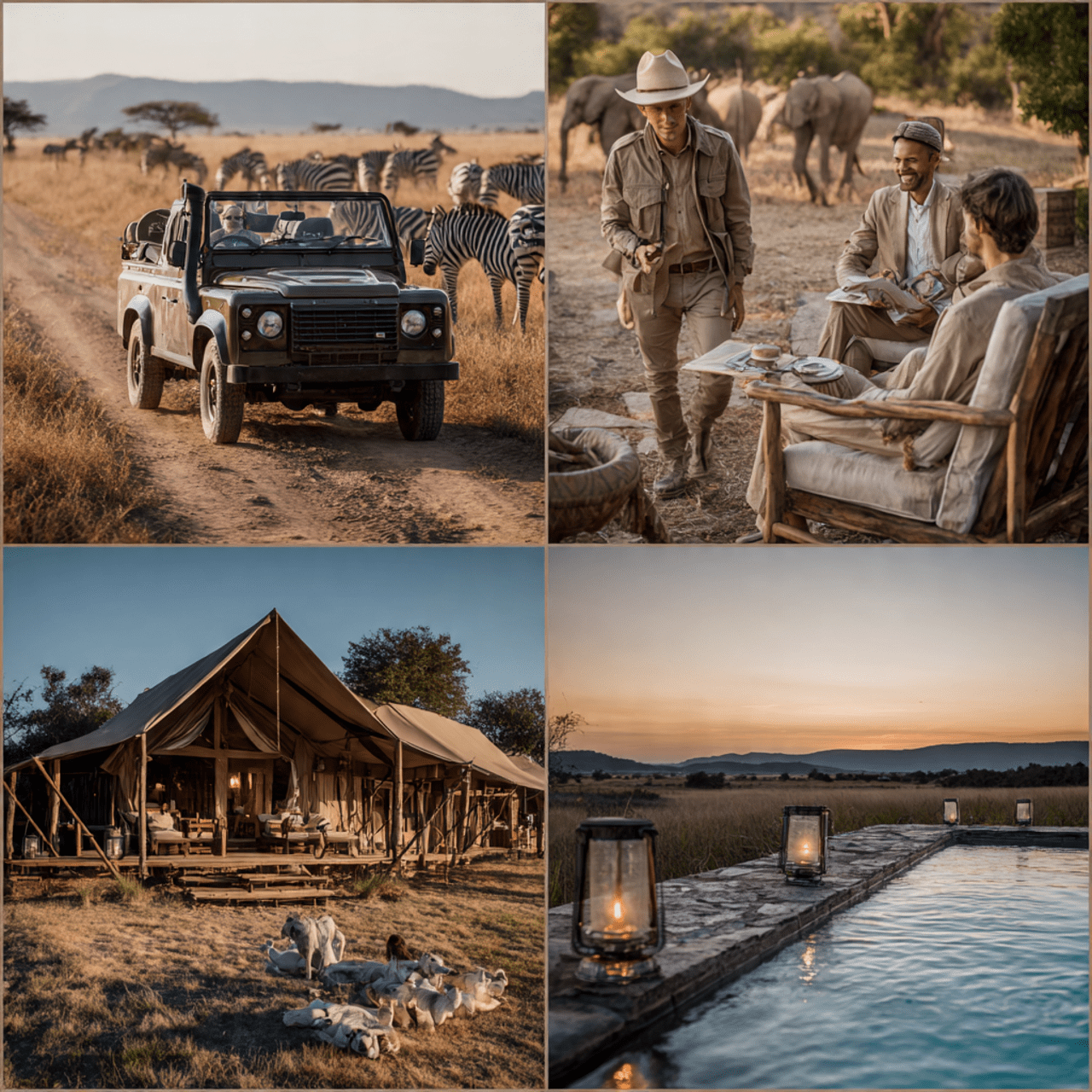
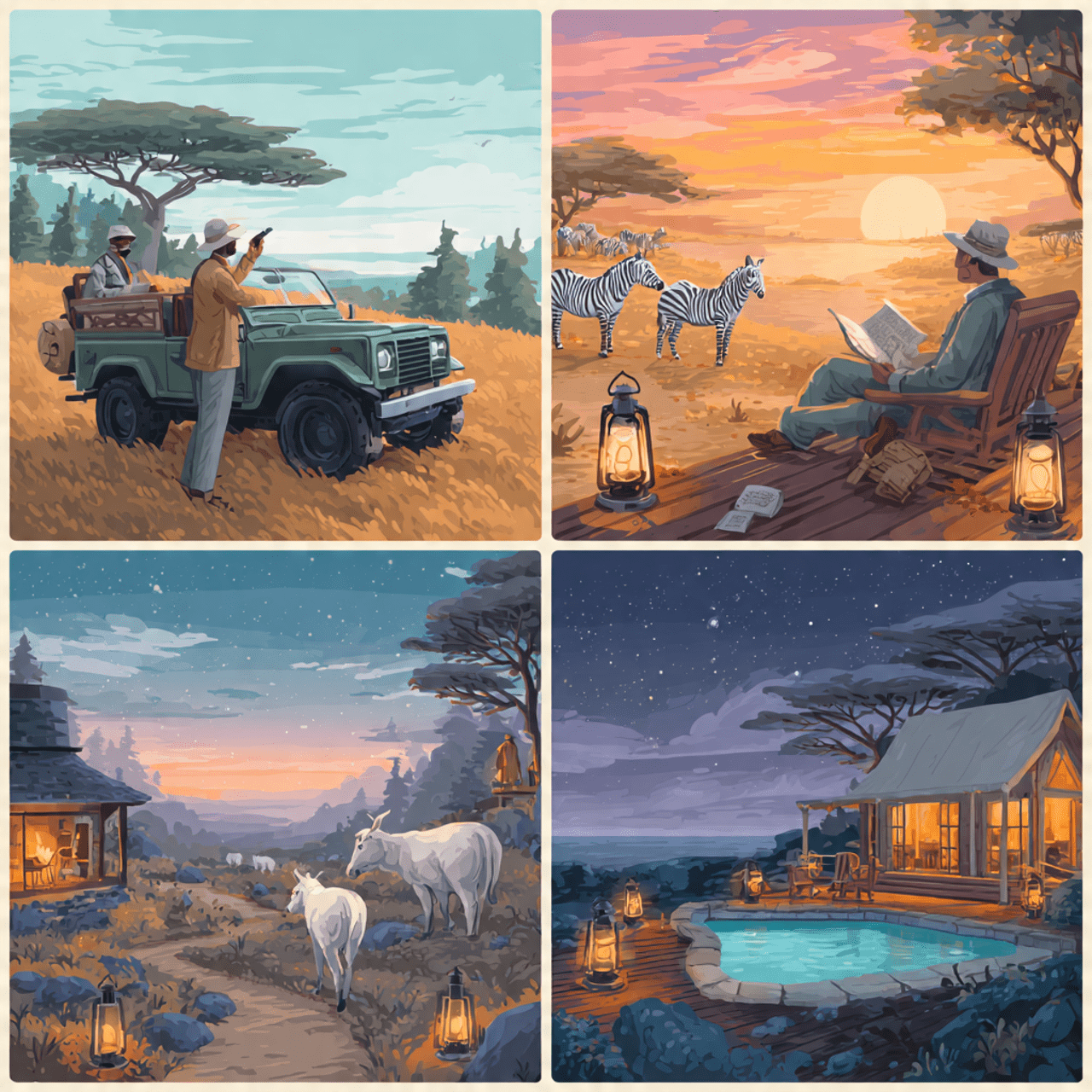
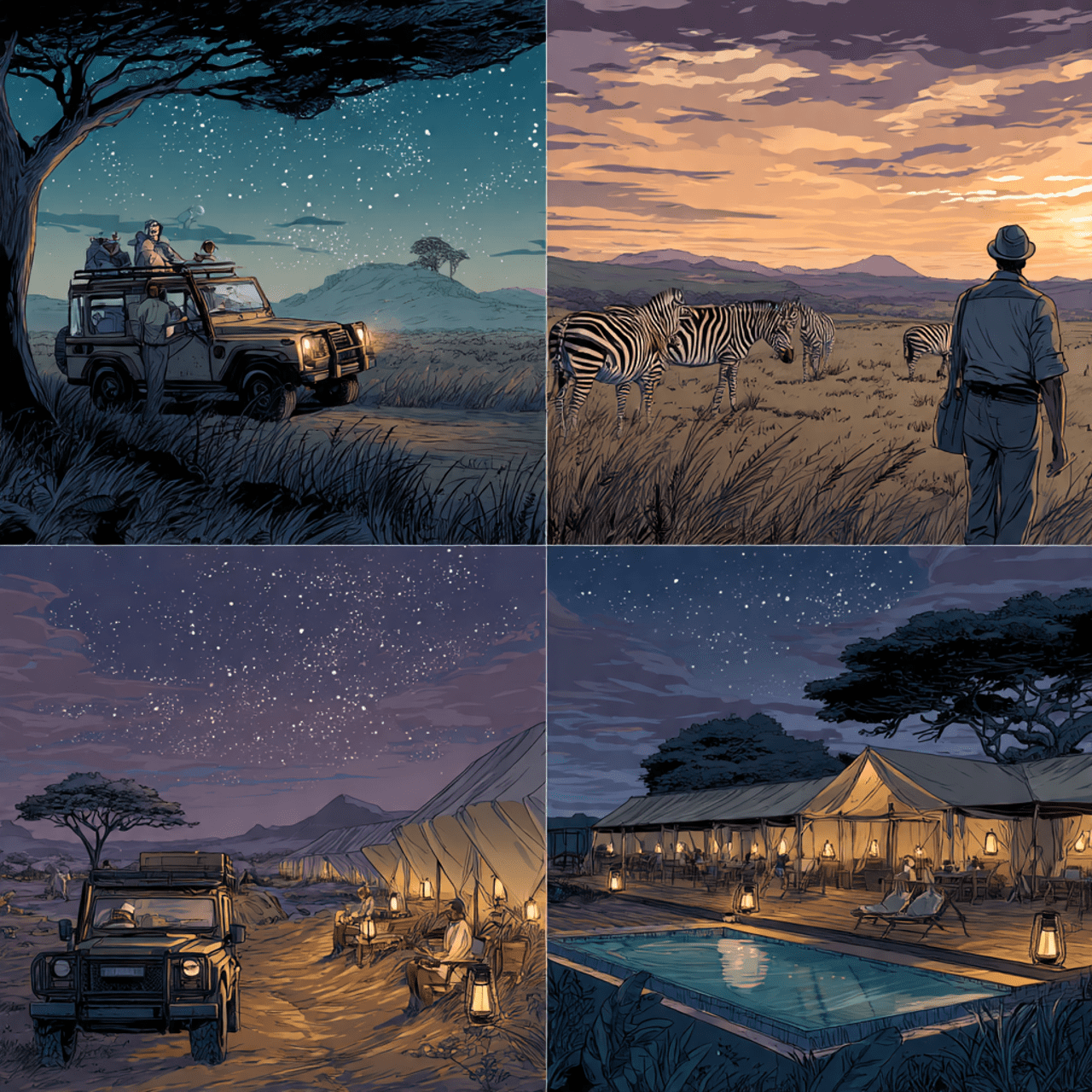
The most traditional safari experience involves open-vehicle game drives led by expert guides. These can be morning, afternoon, or full-day excursions where you track wildlife across large reserves.
Walking Safaris
For those who want a more intimate experience, walking safaris bring you closer to nature. Guided by trained rangers, you’ll explore the bush on foot, observing animal tracks, plants, and even insects you’d miss from a vehicle.
Luxury Safaris
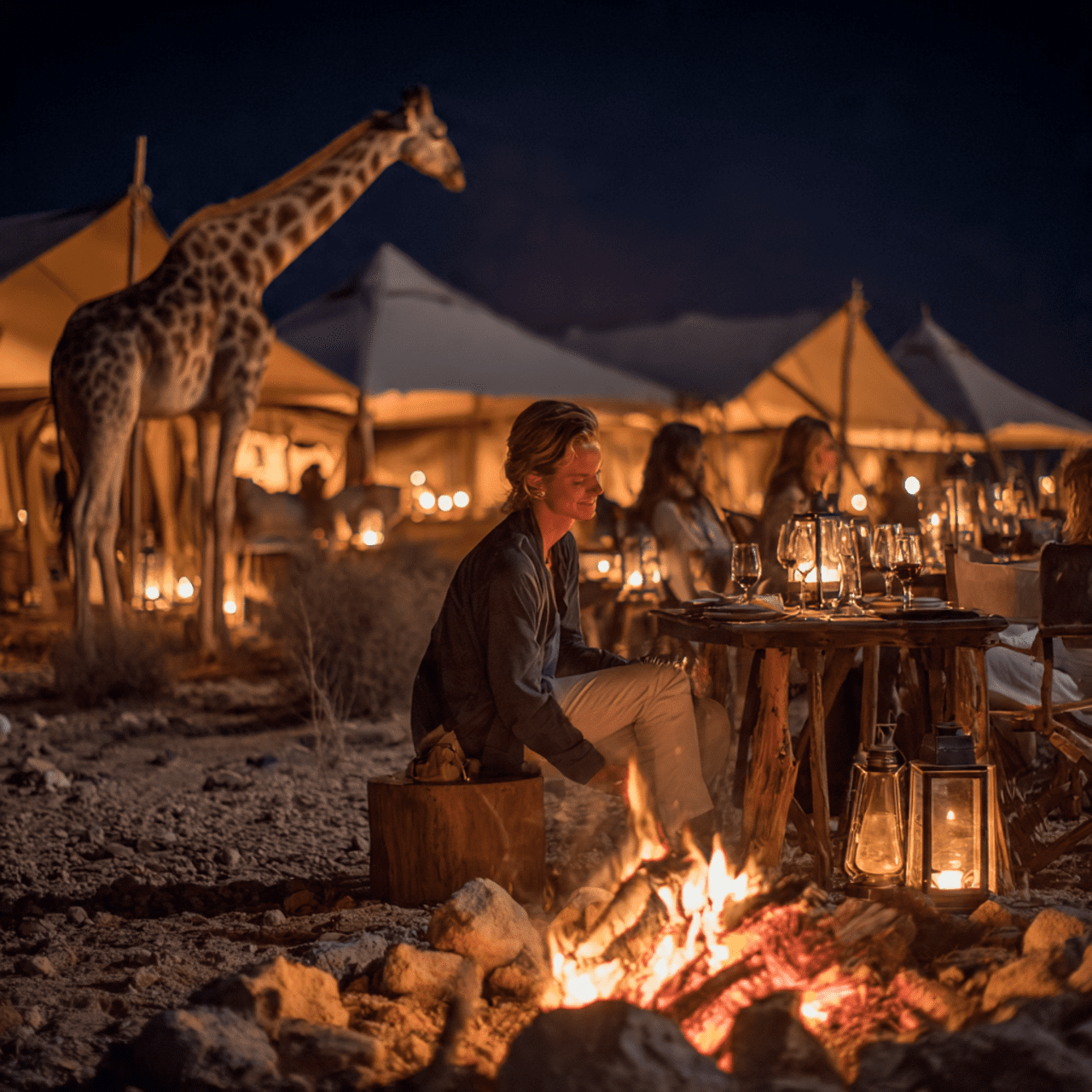
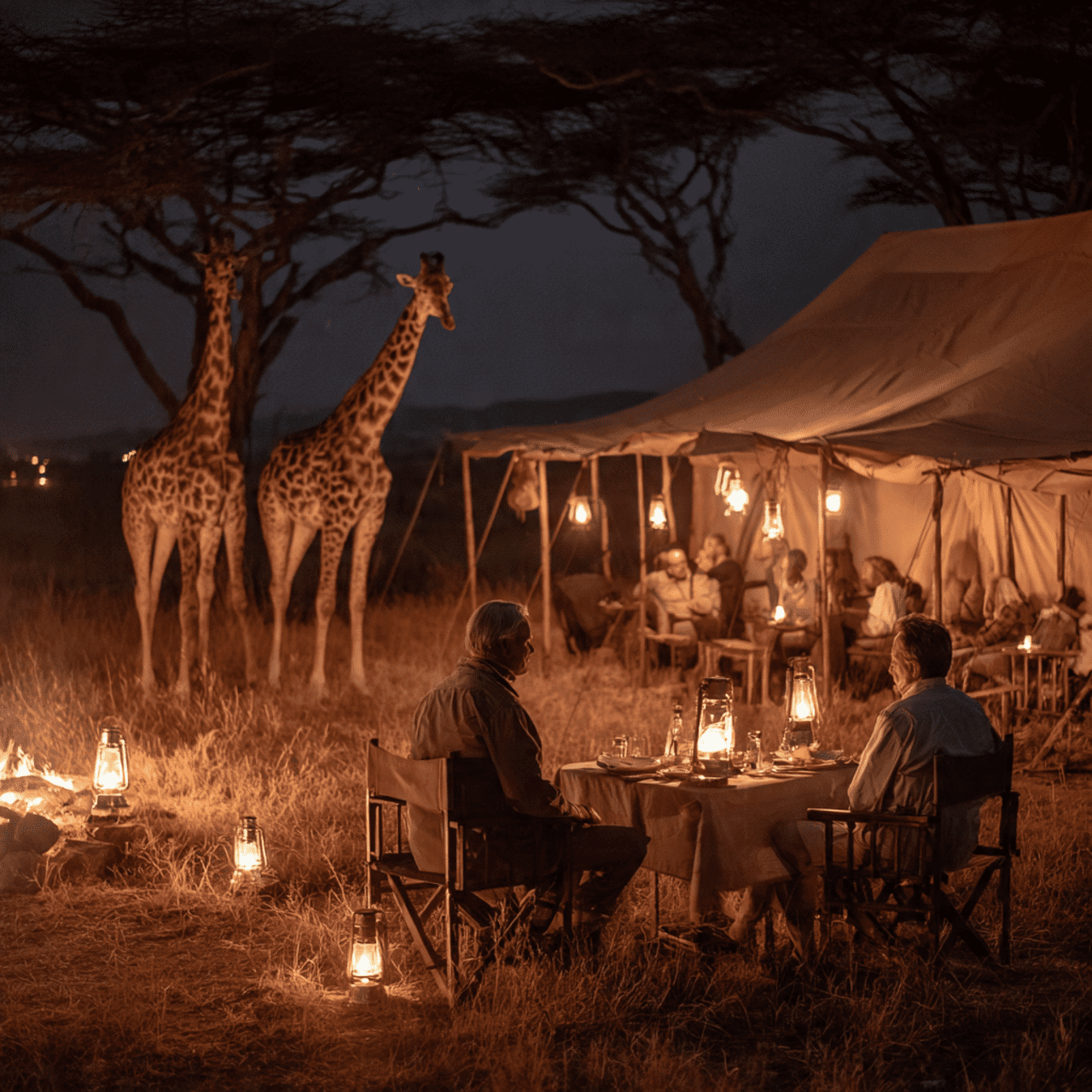
Think infinity pools overlooking watering holes, gourmet dinners under the stars, and spa treatments in the middle of the wild. Luxury safaris combine wilderness adventure with world-class hospitality.
Eco-Friendly Safaris
Eco-safaris are becoming popular among conscious travelers. These focus on low-impact tourism, renewable energy lodges, and community-driven conservation programs.
Each type of safari offers a unique perspective. Whether you’re seeking thrills, relaxation, or sustainability, there’s a safari style for you.
Wildlife You Can Encounter on Safari
- The Big Five
Originally named by hunters because they were the most dangerous to hunt, the Big Five are now the most sought-after animals to photograph. Spotting all five on one trip is considered a major achievement
Rare and Endangered Species
Beyond the Big Five, safaris also introduce you to endangered species like African wild dogs, cheetahs, and black rhinos. Seeing these animals in the wild is both thrilling and humbling, as many face the threat of extinction.
Birdwatching Opportunities
Safaris aren’t only about big mammals. Bird lovers will be amazed by the thousands of species found in reserves. From colorful lilac-breasted rollers in Africa to peacocks in India, the skies are as captivating as the savannahs.
Wildlife is the soul of any safari tour. Every sighting feels like a personal gift from nature—unpredictable, raw, and unforgettable.
Best Time to Go on a Safari Tour
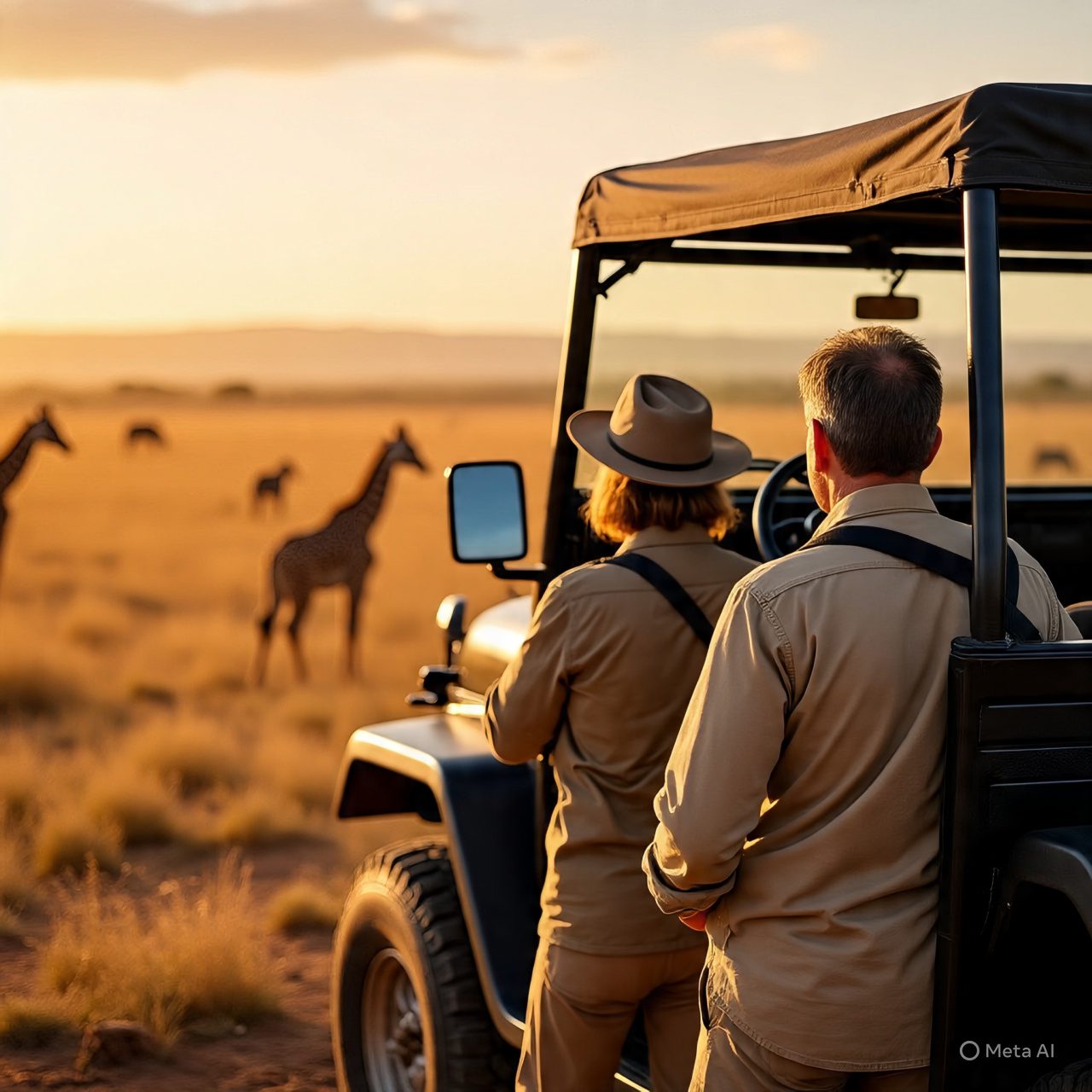
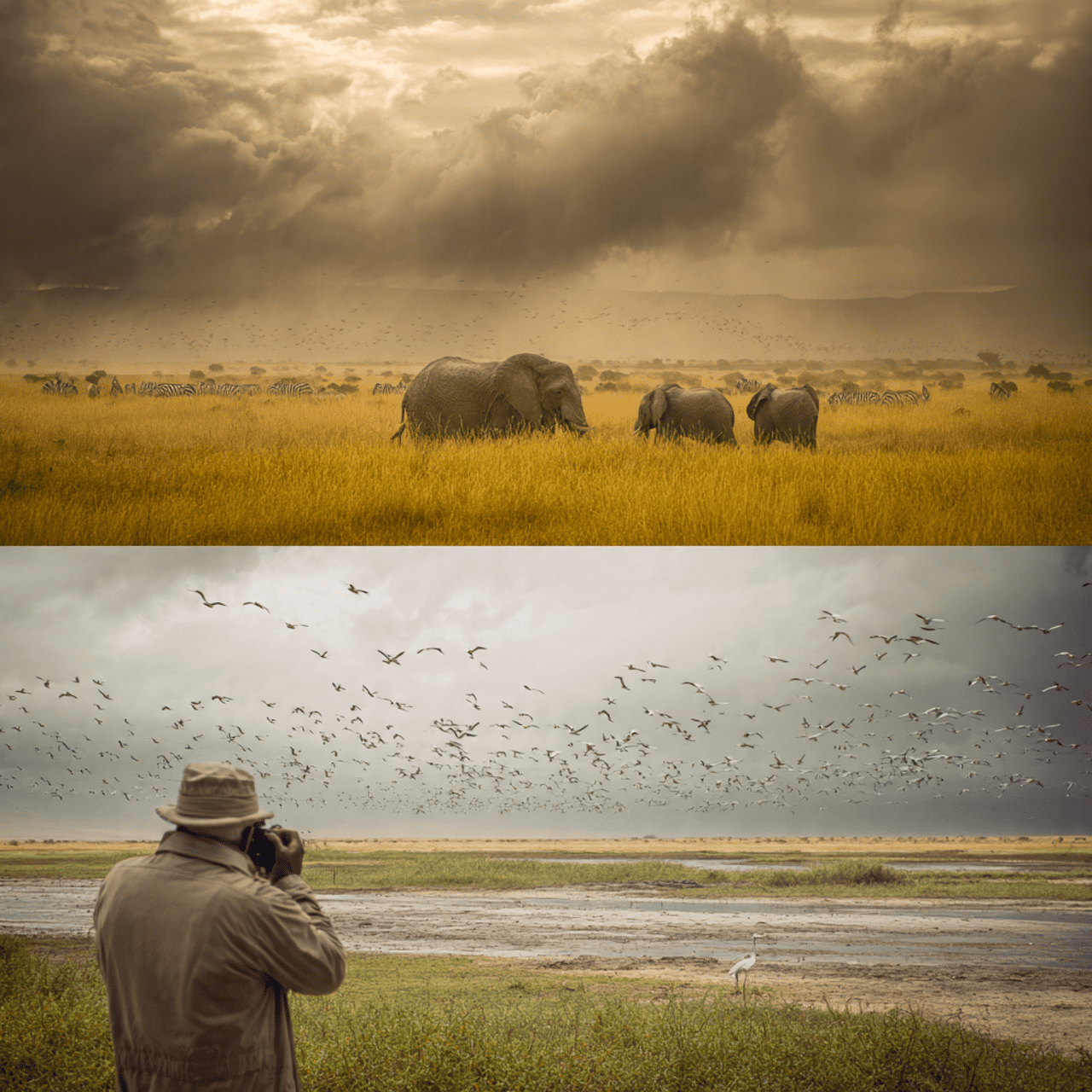
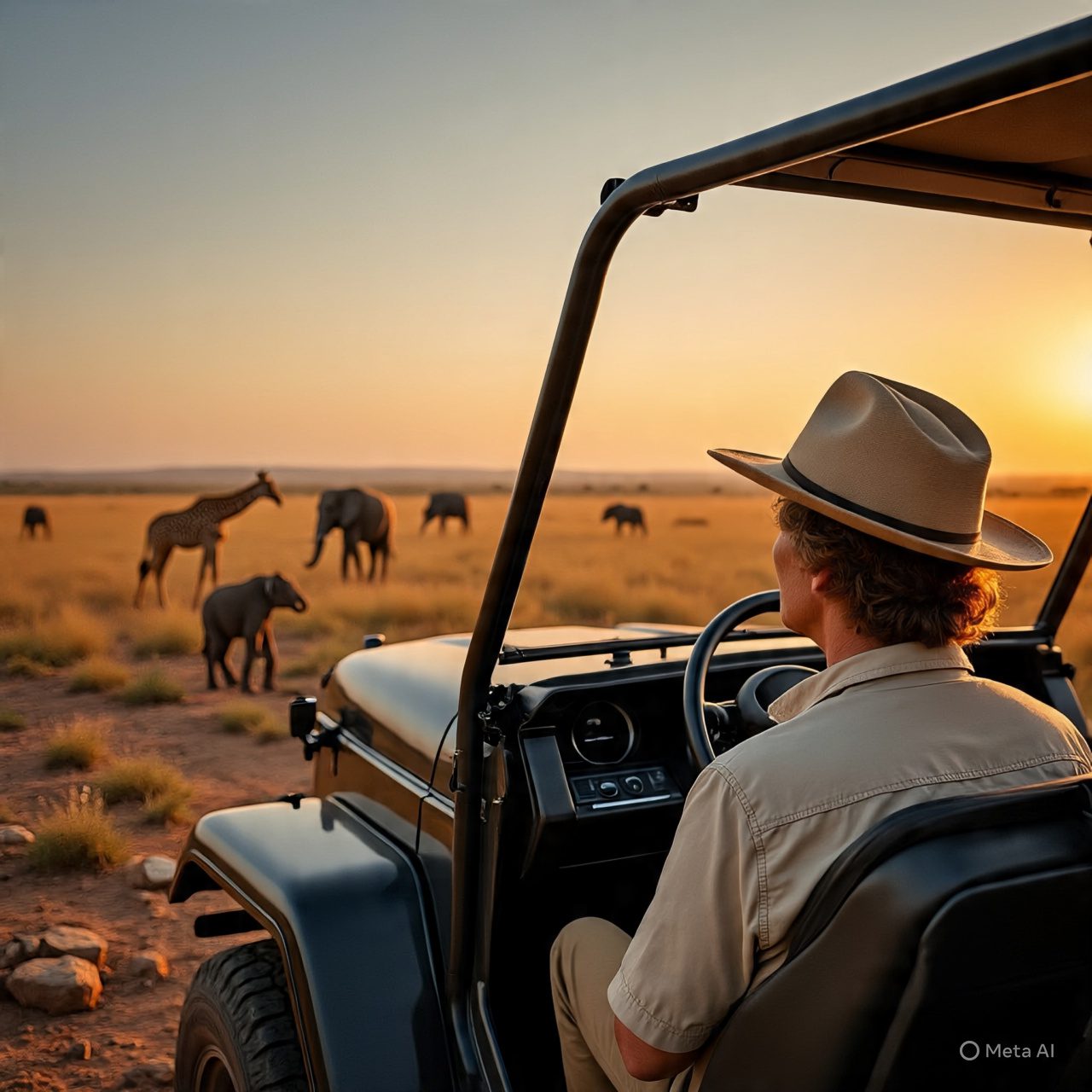
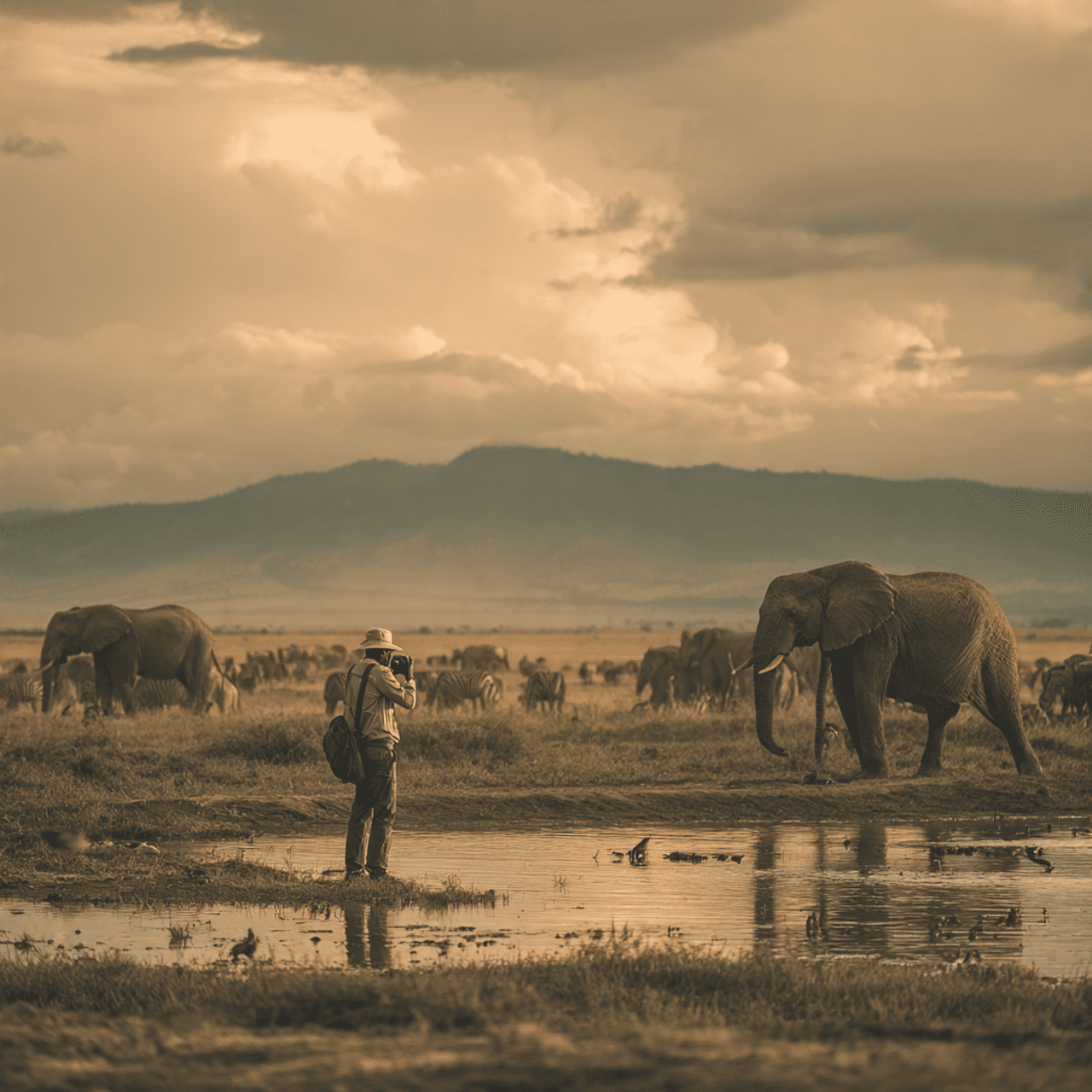
When planning a safari, timing is everything. The best season to travel depends on the destination, the type of wildlife you want to see, and even your budget. Unlike city vacations, safaris revolve around nature’s calendar. Animals follow seasonal patterns, and knowing when they’re most active can make the difference between an average safari and a life-changing one.
Dry Season: The Prime Safari Window
The optimum time of year for safaris in most African destinations is during the dry season, Which Runs From June to October. Because there is less foliage during this time, it is simpler to see animals. Animals congregate along rivers and watering holes when water supplies become scarce, making for great viewing opportunities. In parks like the Serengeti, Masai Mara, and Kruger, this time of year is especially well-liked.
Wet Season: A Different Kind of Beauty
Lower pricing, fewer tourists, and beautiful scenery are all benefits of the rainy season, which runs from November to May. It’s time for birdwatchers to shine, even though animals can be more scattered. There is an opportunity to view infants in the wild around this time because many animals give birth and migratory birds come in flocks.
Special Events in Nature
- The Great Migration: Best viewed in Kenya (July–September) or Tanzania (December–March).
Tiger Sightings in India: Peak from March to June, when water is scarce, and tigers are easier to spot.
Whale Watching in South Africa: June to November along the coast near Hermanus.
Ultimately, the “best” time is subjective. If you want guaranteed sightings of big game, stick to the dry months. If you prefer lush scenery and fewer tourists, the wet season may surprise you with hidden gems.
Luxury Safari Tours
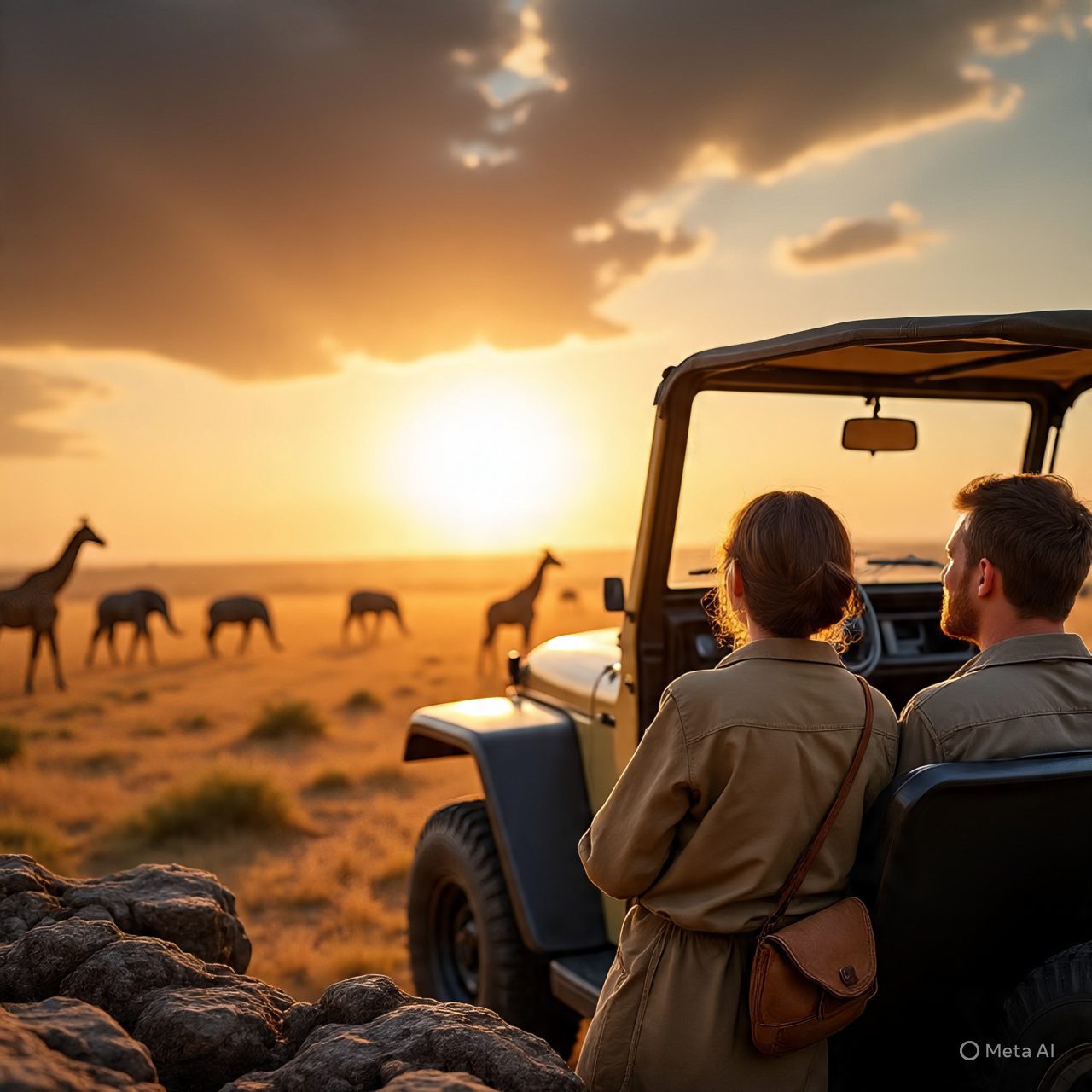
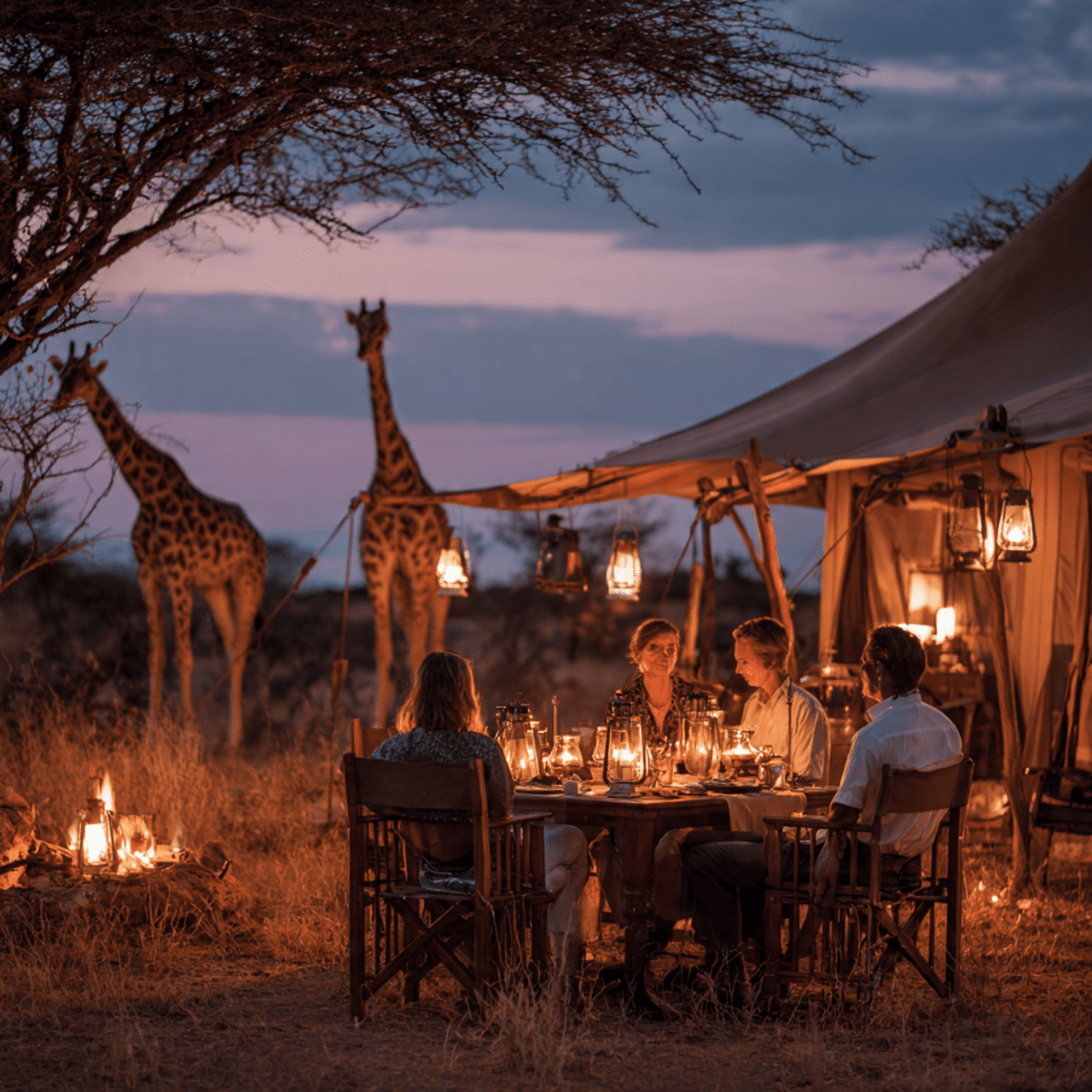
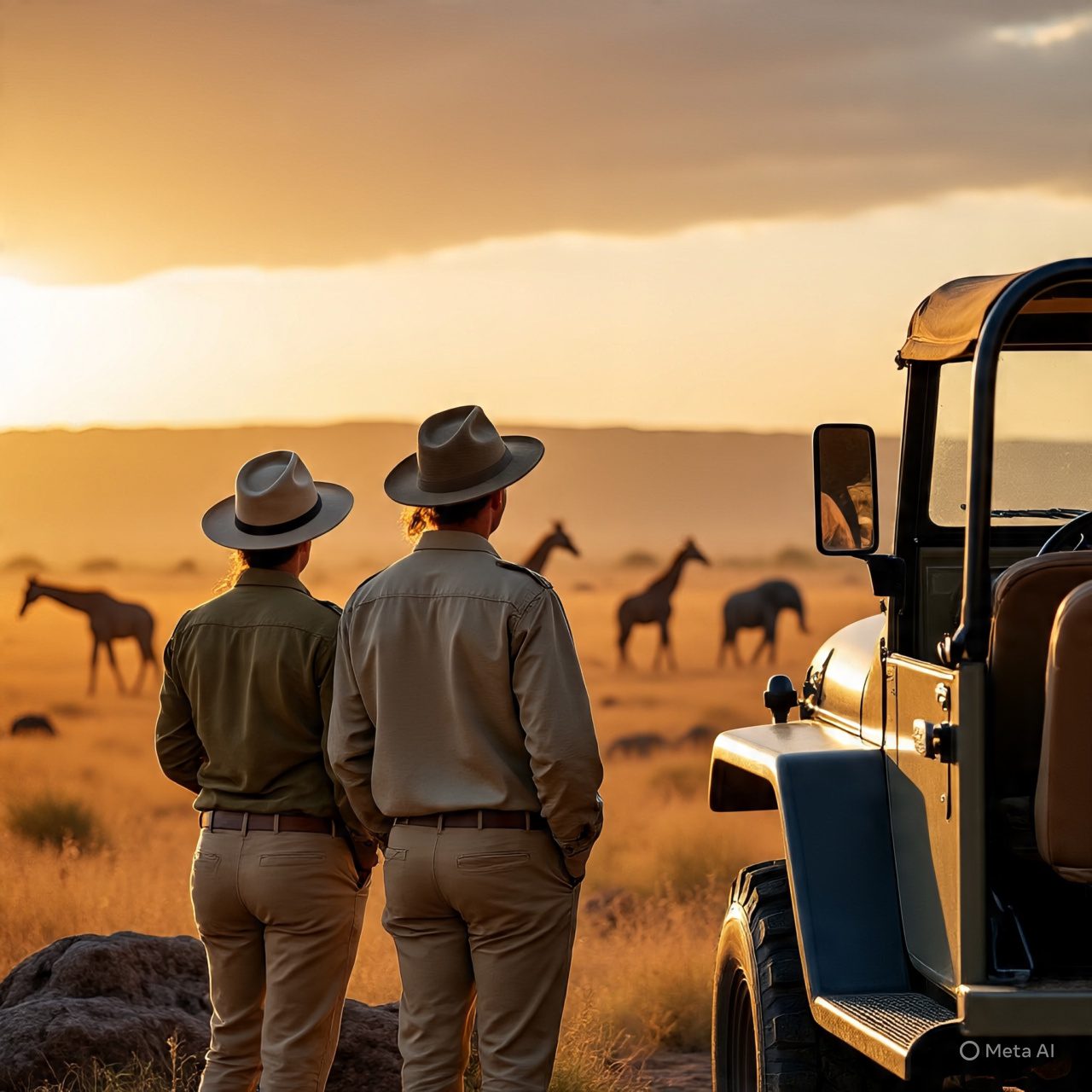
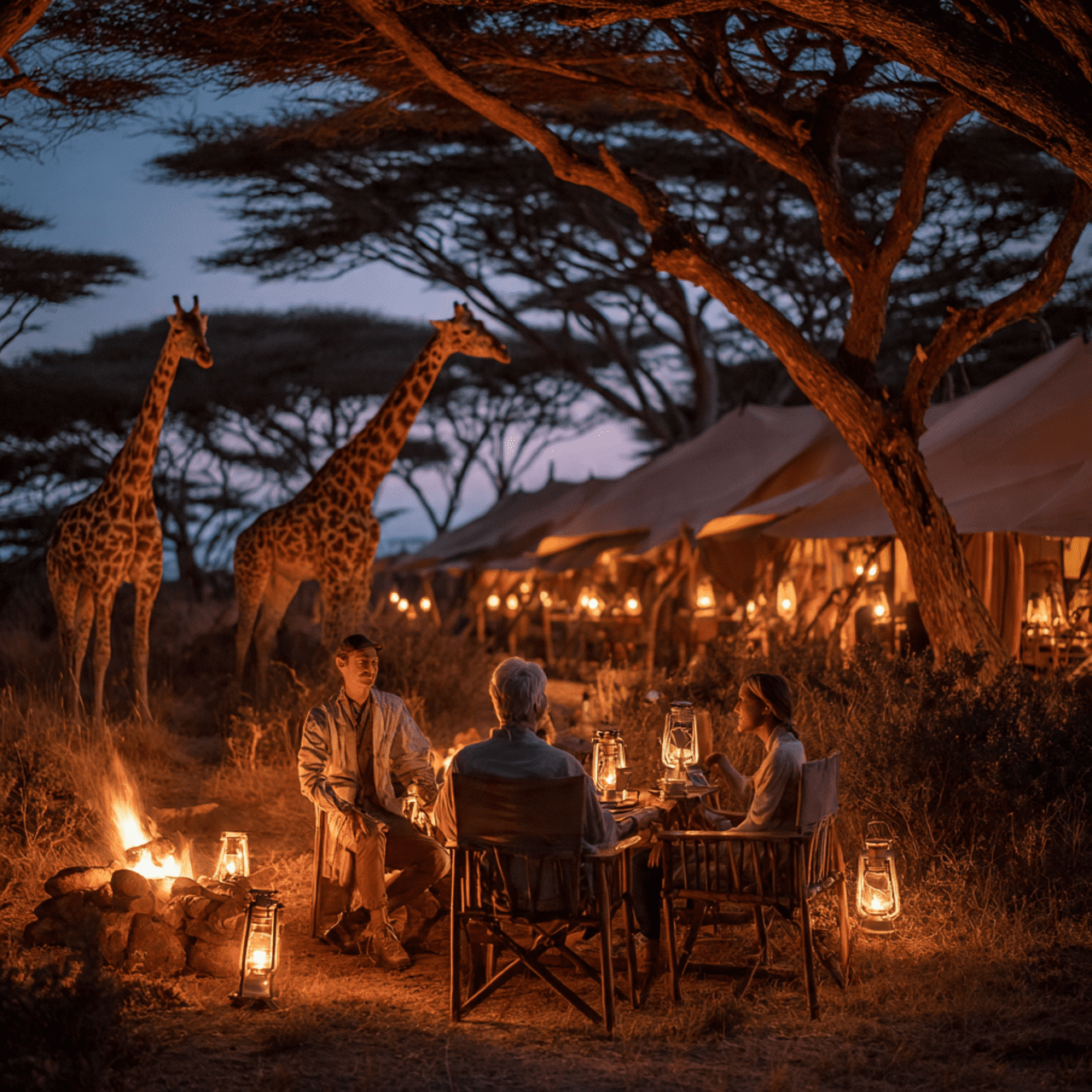
Luxury safaris offer world-class experiences:
- Exclusive lodges with private plunge pools.
- Gourmet dining under the stars.
- Personalized game drives with fewer guests.
Spa treatments and helicopter tours.
They can cost thousands of dollars per night, but for many, the comfort, privacy, and unforgettable service justify the price.
Budget-Friendly Safaris
Travelers on a budget can still enjoy incredible safaris:
- Group tours in shared vehicles.
- Camping safaris where you sleep in tents under the stars.
- Public transport and local guides in countries like Kenya and Tanzania.
- While budget safaris may lack luxury amenities, they often feel more authentic and adventurous.
Mid-Range Options
- For many, the sweet spot lies in mid-range safaris—comfortable lodges, good meals, and guided tours without breaking the bank.
- The key is to decide what matters most: comfort, exclusivity, or affordability. Regardless of your budget, the thrill of seeing a lion in the wild or an elephant family crossing the plains is priceless.
Cultural Experiences Alongside Safaris
A safari involves more than just nature; it also involves humans. Incorporating cultural trips into your schedule enhances the cultural history of many safari sites.
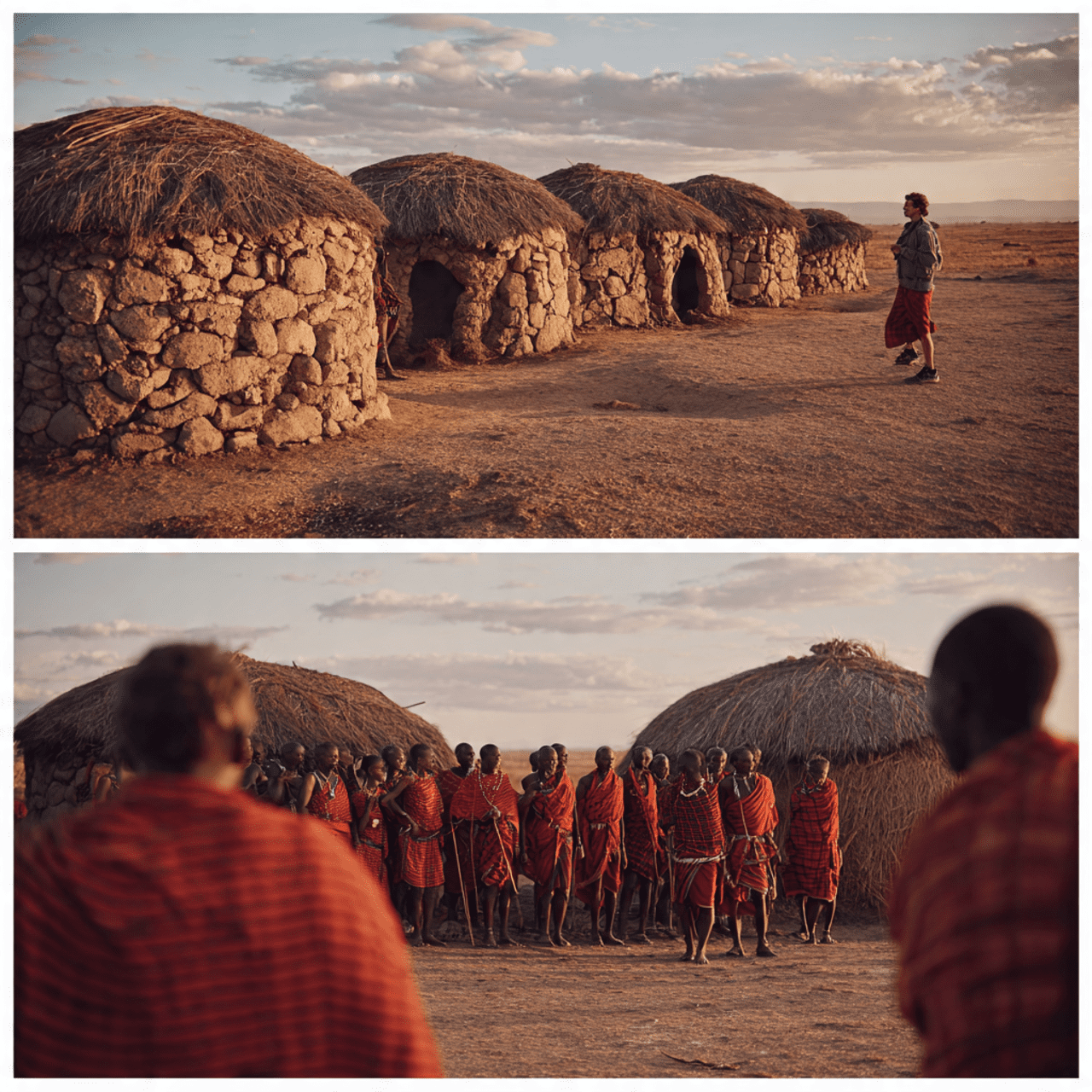
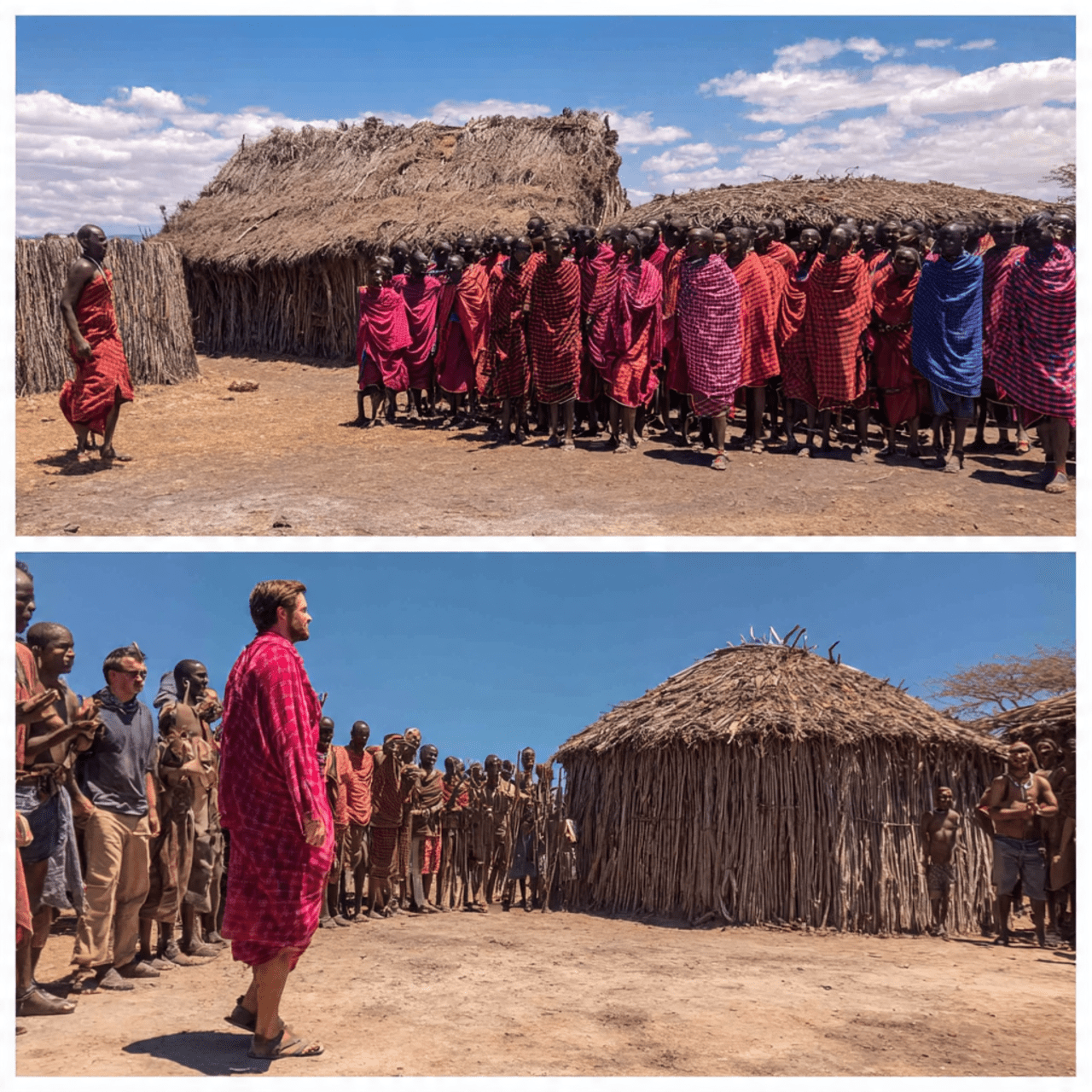
Kenyan and Tanzanian Maasai Villages
The Maasai people, renowned for their traditional dances, bright red clothing, and strong ties to the land, are open to visitors. These cultural interactions provide information about how people and wildlife coexist.
Traditional Tribal Cultures in Southern Africa
You can acquire desert survival skills from San Bushmen in Botswana, Namibia, and South Africa, such as tracking animals and gathering food.
Cultural Extensions in India
In India, a tiger safari can be paired with temple visits, traditional festivals, and culinary tours, blending wildlife with rich heritage.
By combining wildlife with culture, safaris become holistic journeys—celebrating both nature and humanity.